
Montessori and Sleep: Part 2
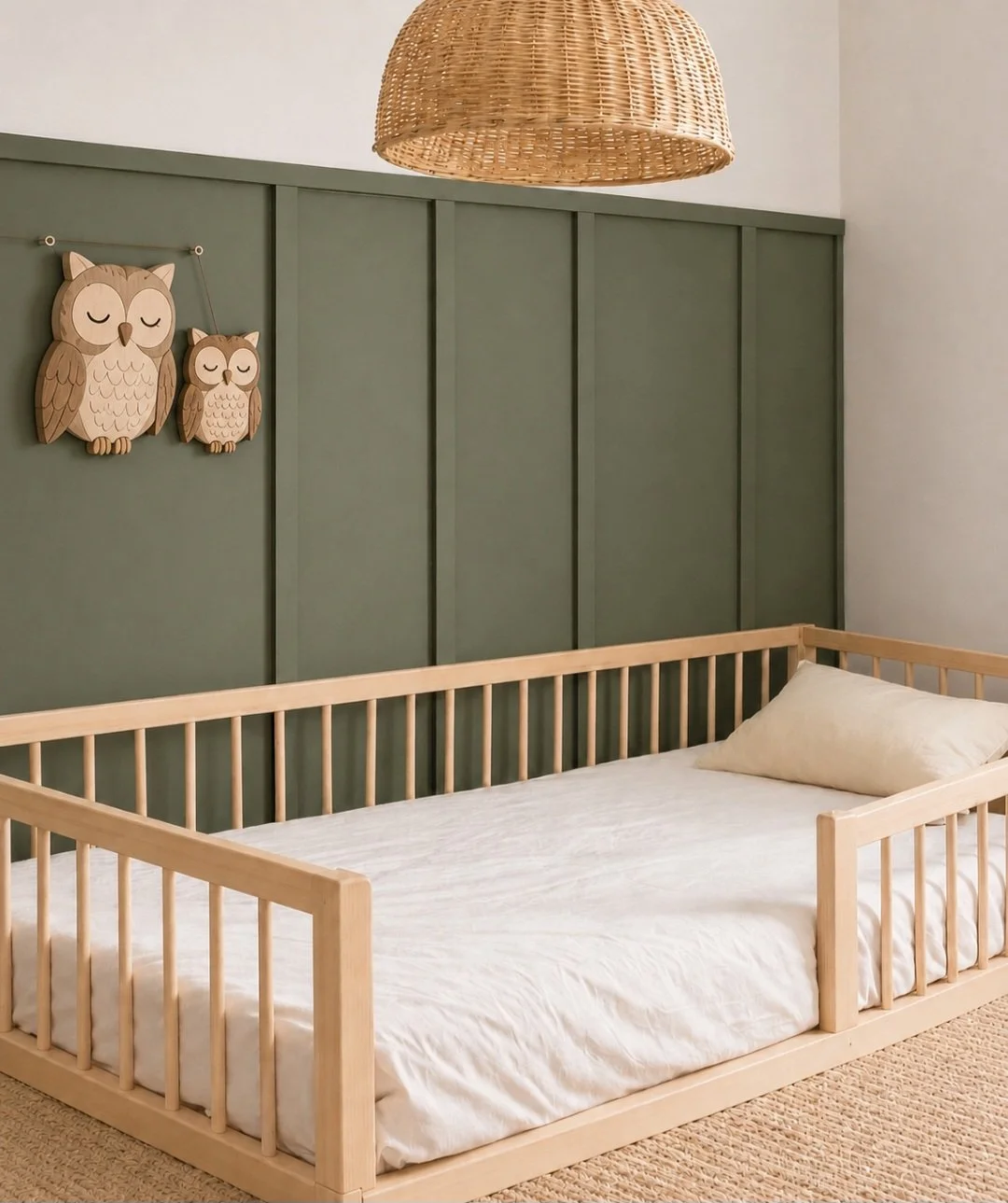
The Environment Matters
In Montessori philosophy, the environment plays a huge role in supporting regulation and wellbeing, which includes sleep environment. A calm sleep space can help reduce overwhelm and support the nervous system winding down.
You may wish to consider:
-soft neutral colours -gentle lighting
-minimal clutter -natural textures
-accessible, child-friendly spaces
-consistent bedtime cues
For some children, especially neurodivergent children, the sensory environment can significantly impact sleep. Noise, lighting, textures and transitions may all affect how safe and settled a child feels at bedtime.
How a Montessori sleep environment can benefit sleep
-Encourages independence - children can access their bed independently (floor bed). Supports confidence and autonomy around sleep rather than relying on adults to place them in bed
-Creates a calm, uncluttered space - minimal distractions can help children wind down and focus on rest. A peaceful environment may reduce overstimulation before sleep
-Supports a sense of security - familiar, child-friendly surroundings help children feel safe and comfortable. Predicatability and consistency can make bedtime less stressful.
-Respects the childs natural development - allows freedom of movement and exploration within safe boundaries. Encourages children to listen to their own tiredness cues over time.
-Promotes emotional wellbeing - a thoughtfully prepared environment can help children feel valued, capable and in control. Reduced bedtime battles often support a more positive parent-child relationship.
Montessori-inspired sleep spaces support more than just sleep. By creating a calm, accessible and developmentally respectful environment, children can build independence, feel secure and develop positive sleep habits that support their overall wellbeing.